A Clean Room Panel is a critical component in the construction of controlled environments, such as cleanrooms, laboratories, and other facilities where strict control over airborne particulates, temperature, humidity, and pressure is essential. These panels are designed to meet stringent international standards for cleanliness and performance.
Here's a detailed description:
Core Function: The primary function of clean room panels is to create a sealed, smooth, and non-shedding enclosure that prevents contamination from entering or being generated within the controlled space. They form the walls, ceilings, and sometimes floors of the cleanroom.
Key Characteristics and Features:
-
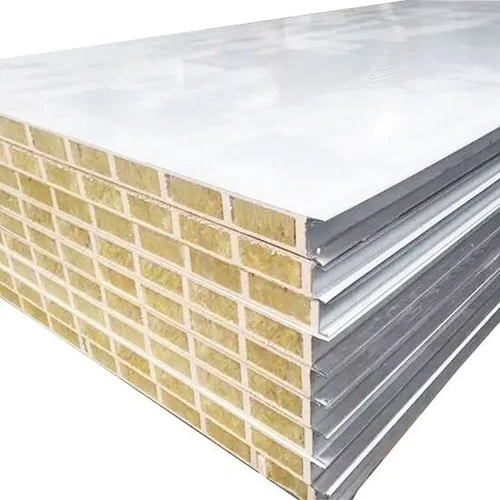
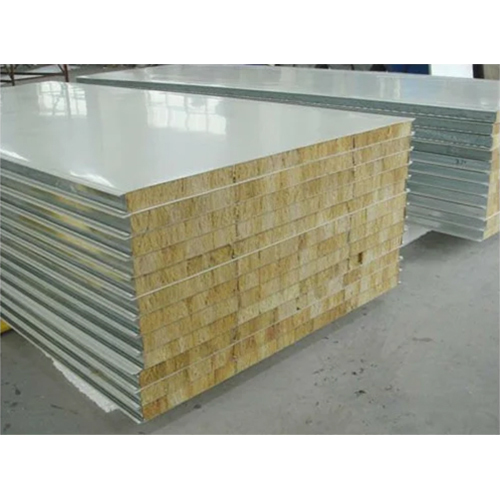
Material Composition: Clean room panels are typically constructed as sandwich panels, consisting of a core material sandwiched between two skins.
- Skins: The outer skins are usually made from materials that are smooth, durable, non-porous, and easy to clean. Common materials include:
- Pre-painted Galvanized Iron (PPGI) or Steel (PPGS): Widely used due to their strength, corrosion resistance, and availability in various colors.
- Stainless Steel: Preferred for applications requiring extremely high levels of hygiene, chemical resistance, and sterilization (e.g., pharmaceutical, biotechnology).
- High-Pressure Laminate (HPL): Offers good chemical resistance and a smooth finish.
- Aluminum: Lightweight and corrosion-resistant.
- Core: The core material provides structural integrity, insulation, and fire resistance. Common core materials include:
- Polyurethane (PU) Foam: Excellent thermal insulation and structural rigidity.
- Polyisocyanurate (PIR) Foam: Similar to PU but with enhanced fire resistance properties.
- Rock Wool/Mineral Wool: Non-combustible, excellent fire resistance, and good acoustic insulation.
- Honeycomb (Aluminum or Paper): Lightweight with good strength-to-weight ratio, often used for ceilings.
- Expanded Polystyrene (EPS): Good insulation but generally less fire-resistant than PU or PIR.
-
Smooth and Non-Porous Surface: The panel surfaces are designed to be extremely smooth, minimizing areas where dust and microbes can accumulate. They are non-porous to prevent absorption of contaminants and facilitate easy cleaning and disinfection.
-
Modular Design: Clean room panels are typically manufactured in a modular format, allowing for quick and efficient installation. This also makes it easy to reconfigure or expand the cleanroom in the future.
-
Airtightness and Sealing: Precision engineering ensures tight tolerances and effective sealing between panels, preventing air leakage and maintaining pressure differentials within the cleanroom. Specialized gaskets and sealants are used at joints.
-
Integration of Utilities: Panels can be pre-engineered or easily modified to accommodate the integration of various utilities such as electrical conduits, HVAC ducts, lighting fixtures, fire suppression systems, and pass-through boxes, minimizing penetrations and maintaining cleanliness.
-
Coving and Flush Surfaces: Internal corners are often finished with coving (rounded profiles) to eliminate sharp angles where dirt can accumulate, making cleaning more effective. All fixtures and fittings are typically flush-mounted to maintain a smooth surface.
-
Fire Resistance: Depending on the application and local building codes, panels are often designed with specific fire resistance ratings to enhance safety.
-
Chemical Resistance: In environments where chemicals are used (e.g., laboratories), panels are selected for their resistance to various cleaning agents and hazardous substances.
-
Sound Insulation: Some clean room panels offer good sound insulation properties, contributing to a quieter working environment.
Applications:
Clean room panels are indispensable in industries such as:
- Pharmaceuticals: Manufacturing sterile drugs and medical devices.
- Biotechnology: Research and development of biologics, cell culture.
- Healthcare: Operating theaters, sterile processing departments.
- Electronics: Semiconductor manufacturing, microelectronics assembly.
- Aerospace: Assembly of sensitive components.
- Food Processing: Production of high-hygiene food products.
- Automotive: Manufacturing of precision components.
- Research Laboratories: Controlled environments for various scientific experiments.
In summary, clean room panels are sophisticated building materials engineered to create and maintain highly controlled environments, playing a vital role in ensuring product quality, process integrity, and personnel safety in critical industries.




 Send Inquiry


 Send Inquiry
 Send Inquiry
 Send SMS
